Vol. 37 (2026): The Body
Alisha Palmer (Editor-in-Chief) & Dongxuan Zhao (Deputy Editor)
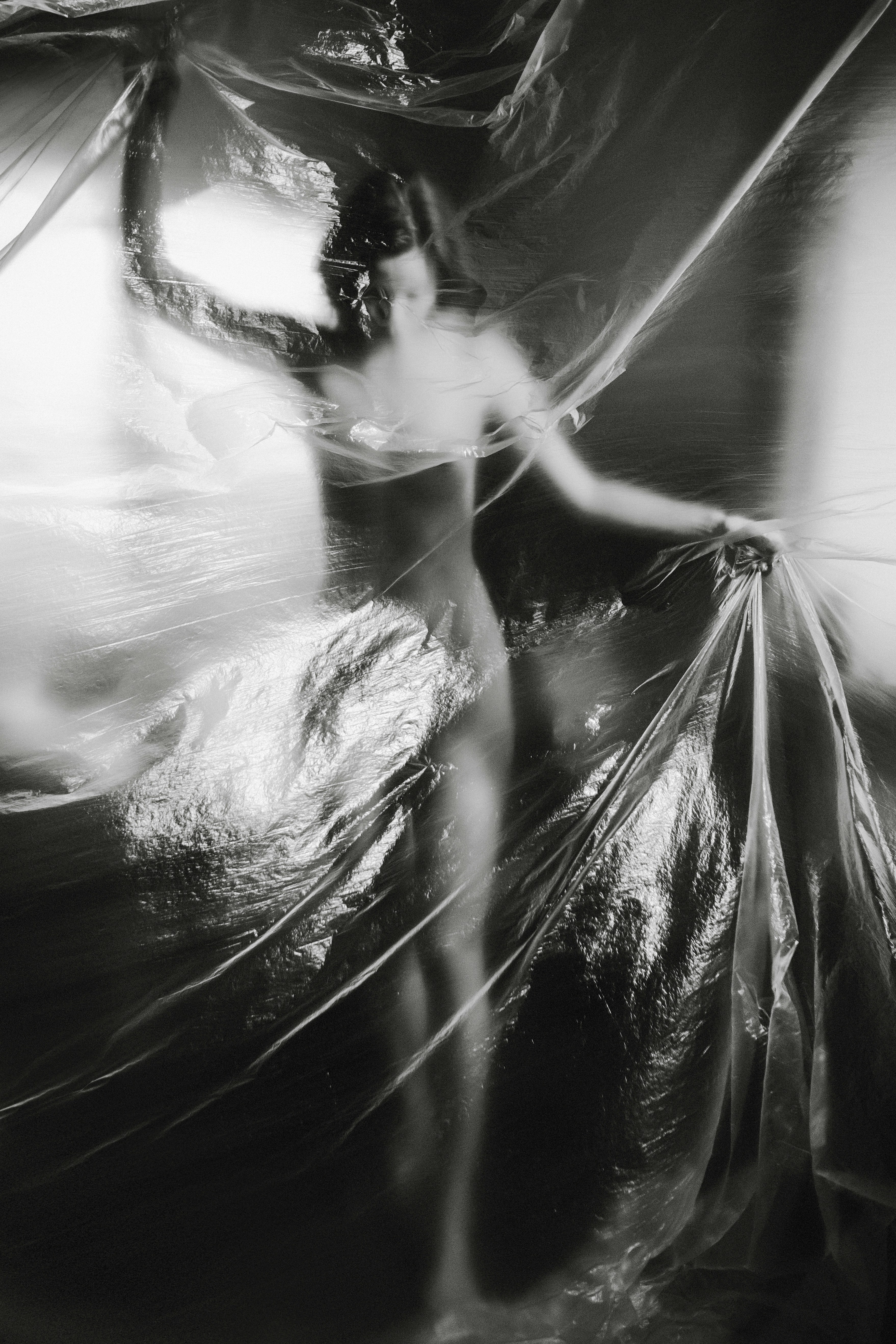
The body is at once our most immediate point of contact with the world and one of the most unstable categories through which that world is organised. It is often treated as a biological given: the primary site of perception, selfhood and agency. Yet bodies are never simply given. They are interpreted, regulated, represented, and valued through social, cultural, and political structures that determine which bodies appear normal or deviant, familiar or foreign, vulnerable or threatening. Feminist, queer, postcolonial, disability, and critical race scholarship has repeatedly shown that embodiment is inseparable from histories of power. Judith Butler’s account of the performative materialisation of sexed bodies, Sara Ahmed’s work on orientation and belonging, and material feminist approaches attentive to the entanglement of bodies, matter, and environment have all unsettled the assumption that bodily difference precedes the structures through which it becomes meaningful.
If bodies acquire meaning through the structures that surround them, it also becomes difficult to say where a body begins and ends. Skin might appear to provide an obvious boundary, separating interior from exterior and self from world, but bodily life constantly troubles this distinction. Bodies breathe, ingest, excrete, bleed, and decay. They touch and are touched by other bodies and environments. They are also made meaningful beyond their material limits: a bodily feature can come to signify gender, race, nation or historical difference; bodily sensations can retain memories that resist linguistic expression; and bodies that are absent or dead may continue through objects, images, archives, and cultural memory. To study the body is therefore to ask how bodies are marked by meaning, how they cross their apparent limits, and how they persist beyond them.
It is from this instability that the 37th issue of FORUM takes its point of departure. The contributions in this issue approach the body through fiction, poetry, film, and biography, examining how histories are inscribed upon bodies, how bodily boundaries become permeable, and how embodiment survives absence and death.
--
Many thanks to the following people for their excellent and tireless work in bringing this issue to fruition.
Peer reviewers: Alisha Palmer, Amanda Fiorani Barreto, Calvin Goh, Clea Butcher, Dongxuan Zhao, Frederica Murgolo, Hao-Yu Hu, Isabel Schueler, Isabella Shields, Kennedy Crowder, Lucie-Ly Mey, Lucy McMillan, Mariane Gallet, Rebecca Mahar, Ximena Onate Garcia, Xinyi Zhao, Yanni Liang, Yanzhiyi Huang, Zhinan Ji.
Editors: Alisha Palmer, Amanda Fiorani Barreto, Ana Dieguez-Algaba, Calvin Goh, Chuqiu Li, Clea Butcher, Courtney Beale, Dongxuan Zhao, Erin Symons, Hao-Yu Hu, Kennedy Crowder, Lucie-Ly Mey, Morgan Connor, Tasneem Yousef, Xinyi Zhao, Yanzhiyi Huang, Yunlong Chen
And, finally, our thanks to Edinburgh Diamond, the LLC PGR office and all our PGR colleagues.